
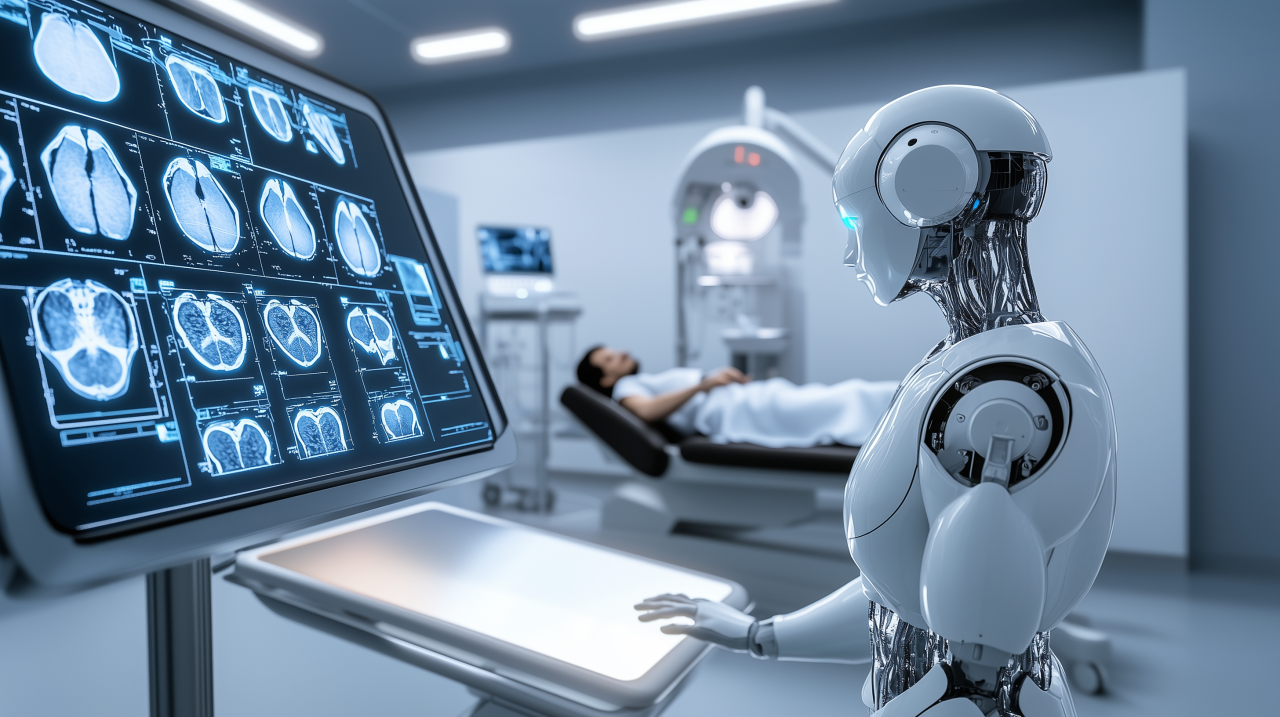
Technology is transforming healthcare at a pace never seen before. From faster diagnoses to remote patient monitoring, digital innovation is reshaping how care is delivered, accessed, and managed. These changes are improving patient outcomes, efficiency, and accessibility, while also redefining the roles of healthcare professionals.
What once required in-person visits, long wait times, and manual records can now be handled with speed, precision, and convenience.
The Rise of Telemedicine
Telemedicine has shifted healthcare beyond hospital walls, allowing patients to connect with providers from anywhere.
Key benefits include:
- Virtual consultations for routine care
- Reduced travel and waiting time
- Improved access for rural and underserved communities
- Faster follow-ups and continuity of care
Telemedicine has become essential for managing chronic conditions and providing timely medical advice.
Artificial Intelligence in Diagnosis and Treatment
Artificial intelligence is enhancing clinical decision-making by analyzing vast amounts of medical data quickly and accurately.
AI-driven applications include:
- Early disease detection through imaging analysis
- Predictive analytics for patient risk assessment
- Personalized treatment recommendations
- Automation of administrative tasks
By supporting clinicians, AI helps reduce errors and improves diagnostic accuracy.
Wearable Technology and Remote Monitoring
Wearable devices have turned everyday health tracking into a powerful medical tool.
Common uses of wearable technology:
- Monitoring heart rate and physical activity
- Tracking sleep patterns and stress levels
- Detecting irregular heart rhythms
- Supporting post-treatment recovery
Remote monitoring allows healthcare providers to intervene early, reducing hospital admissions and improving long-term care.
Electronic Health Records Improve Coordination
Electronic health records have replaced paper files, enabling seamless information sharing across healthcare systems.
Advantages of digital records include:
- Instant access to patient history
- Reduced duplication of tests
- Improved communication between providers
- Enhanced data accuracy and security
Better coordination leads to safer and more efficient patient care.
Robotics and Advanced Surgical Technology
Robotic-assisted surgery has improved precision in complex procedures.
Technological advancements enable:
- Smaller incisions and reduced blood loss
- Shorter recovery times
- Greater surgical accuracy
- Reduced risk of complications
These innovations improve patient comfort while enhancing surgical outcomes.
Personalized and Data-Driven Medicine
Technology enables treatments tailored to individual patients rather than one-size-fits-all approaches.
Personalized healthcare uses:
- Genetic data to guide treatment choices
- Patient data to predict responses to therapies
- Digital tools to customize care plans
This approach improves effectiveness and reduces unnecessary treatments.
Improved Patient Engagement and Access to Information
Digital tools empower patients to take an active role in their healthcare.
Patients now benefit from:
- Online appointment scheduling
- Access to test results and medical records
- Health education apps and portals
- Medication reminders and care tracking
Informed patients are more engaged, leading to better adherence and outcomes.
Challenges and Ethical Considerations
While technology offers major benefits, it also presents challenges.
Key concerns include:
- Data privacy and cybersecurity risks
- Digital inequality and access gaps
- Overreliance on automated systems
- Ethical use of patient data
Addressing these issues is essential for sustainable and responsible healthcare innovation.
The Future of Healthcare Technology
Healthcare technology continues to evolve, with emerging innovations shaping future care delivery.
Expected trends include:
- Greater use of predictive analytics
- Expanded virtual care services
- Integration of smart medical devices
- Stronger focus on preventative care
Technology will increasingly shift healthcare from reactive treatment to proactive wellness.
FAQs
How is technology improving patient outcomes?
Technology enables earlier diagnosis, personalized treatment, and continuous monitoring, leading to better health outcomes.
Is telemedicine suitable for all medical conditions?
Telemedicine works well for routine care and follow-ups but cannot fully replace in-person treatment for emergencies or complex procedures.
Are wearable health devices medically reliable?
Many are clinically validated, but accuracy varies by device and should complement professional medical advice.
How does AI reduce errors in healthcare?
AI analyzes large datasets to detect patterns and inconsistencies that humans might miss, supporting more accurate decisions.
What are the biggest risks of healthcare technology?
Data security, privacy concerns, and unequal access remain major challenges.
Can technology reduce healthcare costs?
Yes. Automation, remote monitoring, and early intervention can lower long-term treatment costs.
Will technology replace healthcare professionals?
No. Technology supports professionals by improving efficiency and accuracy, but human judgment remains essential.
Technology is not replacing healthcare—it is redefining it. When used responsibly, innovation has the power to create a more accessible, efficient, and patient-centered healthcare system for the future.
