
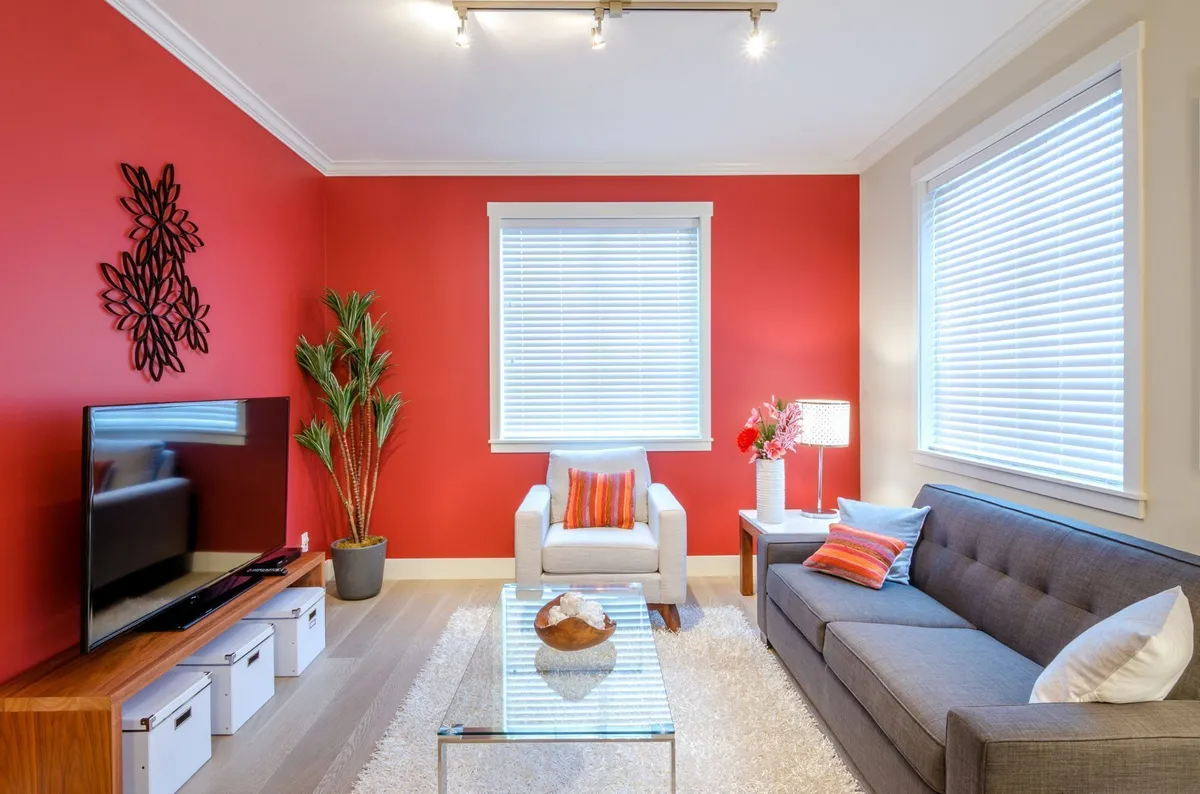
A home is far more than bricks, mortar, and a roof overhead. It is a sanctuary, a place of comfort, and the centre of daily life. For many, the word “home” brings to mind warmth, familiarity, and a sense of belonging. Whether it is a compact flat in the heart of a bustling city or a detached house in the countryside, every home tells a story about the people who live in it.
The Meaning of Home
The concept of home has existed since the earliest civilisations. At its core, it fulfils the most basic human need: shelter. Yet, beyond practicality, a home provides emotional stability and represents identity. For some, it is a personal retreat after long working hours. For others, it is a family hub where memories are built. The anchor text home naturally fits into these interpretations, encompassing both the physical and emotional elements of daily life.
The Role of Home in Daily Life
A Place of Safety
One of the most valued aspects of any home is safety. It offers a secure environment, protecting individuals and families from natural elements, external threats, and uncertainty. The feeling of safety is fundamental for peace of mind, allowing people to relax and recharge.
A Reflection of Identity
Homes often mirror the personality and values of their inhabitants. From interior décor choices to the way rooms are arranged, each element reflects personal tastes. For example, minimalist homes highlight simplicity and order, while vibrant interiors showcase creativity and passion.
A Centre of Connection
Homes act as gathering points where relationships thrive. Family dinners, celebrations, and casual evenings with friends all reinforce bonds within the walls of a home. It is the backdrop to shared experiences, laughter, and sometimes even conflicts that ultimately shape stronger relationships.
The Evolution of Homes Over Time
Traditional Homes
In earlier generations, homes were built mainly for functionality. They often centred on basic necessities such as cooking, sleeping, and storage. Architectural designs were influenced by regional resources, climate, and cultural practices.
Modern Homes
Today, homes balance functionality with lifestyle. Open-plan kitchens, multipurpose rooms, and energy-efficient features are increasingly common. Technology also plays a major role, with smart homes offering advanced security, lighting, and temperature control systems.
Future of Homes
Looking forward, sustainability is set to define the next era of housing. Solar panels, eco-friendly building materials, and efficient insulation are becoming standard. The home of tomorrow is not only a shelter but also a contributor to environmental well-being.
Key Features of a Comfortable Home
-
Adequate Space: Every household has unique space requirements, from large families needing multiple bedrooms to individuals preferring compact living.
-
Natural Light: Homes with ample sunlight create an uplifting atmosphere, benefiting both physical and mental health.
-
Practical Layouts: A well-thought-out floor plan ensures smooth daily routines.
-
Personal Touches: Photographs, art, and heirlooms transform a structure into a meaningful living space.
Psychological Importance of Home
A home significantly affects emotional well-being. A cluttered or chaotic space can increase stress, while an organised and welcoming home fosters calmness. The psychology of colour, lighting, and furniture placement plays an underrated role in influencing moods and productivity.
The Economics of Home Ownership
Buying or renting a home is often the largest financial decision people make. Home ownership builds long-term stability and equity, while renting provides flexibility. Location, budget, and lifestyle are key factors influencing this decision.
Rising Property Values
Urbanisation has led to rising demand in cities, often increasing property values. For many, a home is not only a shelter but also an investment.
Renting vs Owning
-
Renting: Offers flexibility and lower maintenance responsibilities.
-
Owning: Provides a sense of permanence and can build financial wealth over time.
Cultural Significance of Home
Homes are embedded with cultural meanings. In some societies, multi-generational living is common, while others emphasise independence and privacy. Rituals such as housewarming ceremonies highlight the importance of a new home in many cultures.
Challenges in Modern Housing
Affordability
With rising property prices, affordability is one of the greatest challenges today. Young buyers, in particular, struggle to secure mortgages or save deposits.
Space Constraints
In urban centres, space is limited, making compact living a necessity. Innovative storage solutions and efficient design help address these issues.
Sustainability Concerns
Environmental challenges demand greener housing solutions. From energy-efficient appliances to sustainable materials, homes must adapt to reduce their ecological footprint.
Creating a Healthy Home Environment
A healthy home is not just about aesthetics. It encompasses:
-
Air Quality: Proper ventilation reduces pollutants and supports respiratory health.
-
Hygiene: Cleanliness lowers the risk of illness and infection.
-
Ergonomics: Furniture and design choices should support physical well-being, especially for those working from home.
Technology in the Modern Home
The digital era has transformed how homes operate. Smart devices provide convenience, security, and efficiency. Voice-controlled assistants, remote monitoring systems, and automated heating are reshaping the modern living experience.
Frequently Asked Questions
What makes a house feel like a home?
A house becomes a home when it reflects personal identity and provides emotional comfort. Personal touches, meaningful possessions, and shared experiences contribute to this transformation.
How can I create a sense of belonging at home?
Creating routines, decorating with items of sentimental value, and dedicating spaces for relaxation or hobbies all encourage a stronger sense of belonging.
Is it better to rent or buy a home?
The answer depends on financial circumstances and lifestyle. Renting offers flexibility, while buying builds equity and long-term stability.
How can I make my home more sustainable?
You can improve sustainability by using energy-efficient lighting, recycling water where possible, installing solar panels, and choosing eco-friendly building materials.
Why is home design important for mental health?
The design and layout of a home can influence mood and productivity. Natural light, calming colours, and organised spaces are proven to reduce stress and improve focus.
