
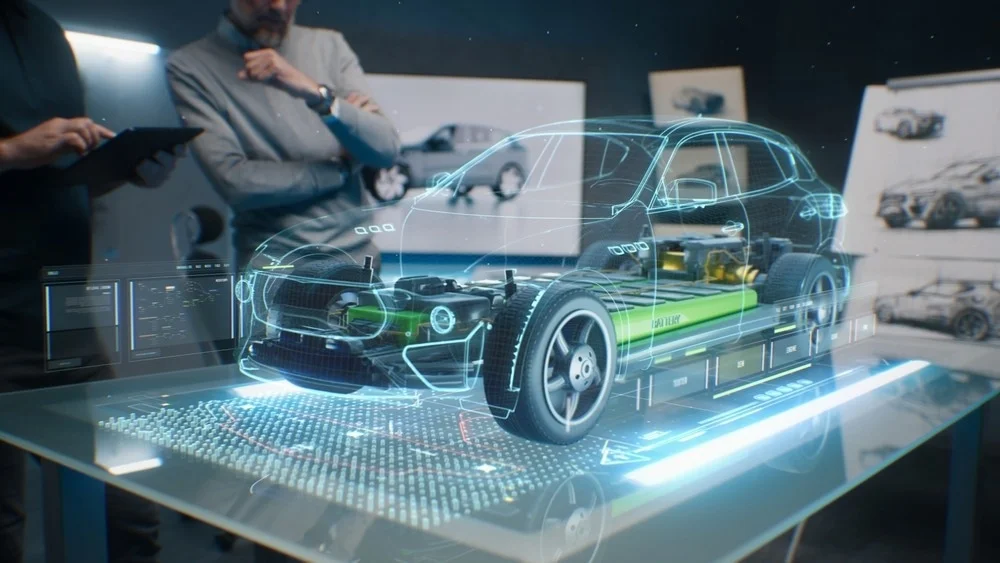
The automotive industry is undergoing a remarkable transformation. With technological advancements, growing environmental concerns, and shifting consumer expectations, the auto sector is evolving at a pace never seen before. From electric vehicles to autonomous driving, the future of cars promises to reshape how we move, connect, and experience the world.
The Evolution of the Auto Industry
The history of automobiles dates back over a century, but what we see today is more than just progress in design and performance. It is a complete reinvention of mobility. Traditional combustion engines are being replaced by cleaner, more efficient alternatives, while digital technology is redefining how vehicles interact with drivers and infrastructure.
Key Drivers of Change
-
Environmental responsibility: Growing concerns about climate change have pushed automakers towards sustainable solutions.
-
Technological innovation: AI, sensors, and big data are powering connected and autonomous vehicles.
-
Consumer demand: Drivers now expect comfort, convenience, and safety at levels that were once unimaginable.
-
Government policies: Regulations on emissions and incentives for cleaner vehicles accelerate innovation.
The Rise of Electric Vehicles (EVs)
Electric vehicles are no longer a niche; they are becoming mainstream. With improvements in battery technology and charging infrastructure, EVs are steadily replacing petrol and diesel cars.
Benefits of EVs
-
Zero tailpipe emissions reduce air pollution.
-
Lower running costs as electricity is cheaper than fuel.
-
Quieter ride providing a smoother driving experience.
-
Reduced maintenance since EVs have fewer moving parts.
Challenges to Overcome
-
Limited charging points in some regions
-
High initial purchase price
-
Battery recycling and sustainability concerns
Despite these challenges, EV adoption continues to rise globally, supported by investment in charging networks and battery innovation.
Autonomous Vehicles: The Road to Self-Driving Cars
Self-driving technology is no longer science fiction. From advanced driver-assistance systems (ADAS) to fully autonomous prototypes, cars are gradually taking over the task of driving.
Levels of Autonomy
-
Level 1-2: Basic driver assistance like cruise control and lane-keeping.
-
Level 3: Conditional automation where the car can handle most tasks but requires human oversight.
-
Level 4-5: Fully autonomous vehicles capable of operating without human input.
Benefits of Autonomous Vehicles
-
Increased safety by reducing human error.
-
Improved traffic efficiency through smarter navigation.
-
Accessibility for those unable to drive.
However, legal frameworks, safety validation, and public acceptance remain barriers before we see mass adoption.
Connectivity and Smart Cars
Modern autos are more than just vehicles; they are connected devices. Cars today come equipped with infotainment systems, voice controls, internet access, and navigation that adapts in real time.
Features of Connected Cars
-
Real-time traffic updates
-
Remote vehicle monitoring
-
Over-the-air software updates
-
Integration with smart devices
This level of connectivity enhances convenience but also raises cybersecurity concerns. Protecting vehicles from hacking is as important as protecting physical safety.
Sustainability Beyond EVs
Sustainability in the auto industry goes beyond just electric cars. Manufacturers are exploring eco-friendly materials, circular economy practices, and alternative fuels such as hydrogen.
Sustainable Innovations
-
Recycled materials in car interiors
-
Lightweight construction for better efficiency
-
Hybrid technology bridging the gap between fuel and electric
-
Hydrogen fuel cells for long-distance, zero-emission driving
The push towards sustainability is not just about compliance but also about brand reputation and customer trust.
Safety Innovations in Modern Autos
Safety has always been a priority in automotive engineering, but today’s cars are equipped with features that were unimaginable decades ago.
Cutting-edge Safety Features
-
Automatic emergency braking
-
Blind-spot monitoring
-
Adaptive cruise control
-
Driver monitoring systems
-
Crash detection with emergency response
These technologies drastically reduce accidents and provide peace of mind for drivers and passengers alike.
The Role of Artificial Intelligence
AI is revolutionising the auto sector by enabling smarter navigation, predictive maintenance, and enhanced driver assistance. Machine learning allows vehicles to understand patterns, anticipate risks, and provide a customised driving experience.
Changing Consumer Expectations
Today’s consumers do not just buy cars; they buy an experience. Personalisation, sustainability, and technology integration are key decision-making factors.
What Drivers Expect
-
Customisation options for interiors and features
-
Eco-friendly solutions aligned with personal values
-
Seamless connectivity between car and lifestyle
-
Subscription models offering flexibility over ownership
The industry must adapt to meet these expectations while balancing affordability and innovation.
Future Trends to Watch
-
Growth of shared mobility and car-as-a-service models
-
Integration of smart city infrastructure
-
Expansion of 5G networks enabling faster vehicle communication
-
Focus on cybersecurity in connected vehicles
-
Greater emphasis on luxury EVs and affordable compact EVs
The future of auto is not just about new technology but about creating a smarter, safer, and more sustainable way of moving.
FAQs
What is the difference between hybrid and electric vehicles?
A hybrid combines a combustion engine with an electric motor, offering better fuel efficiency, while a fully electric vehicle runs entirely on battery power.
How long does it take to charge an electric car?
Charging times vary depending on the charger type. Fast chargers can power up a car in under an hour, while home charging can take several hours.
Are autonomous vehicles safe?
Autonomous vehicles are designed to reduce accidents caused by human error. However, they are still being tested extensively before full deployment.
Can I save money by switching to an electric vehicle?
Yes, while EVs often have higher upfront costs, lower fuel expenses, government incentives, and reduced maintenance usually result in long-term savings.
What is car-to-car communication?
It refers to the ability of vehicles to share data with each other to improve traffic flow, prevent accidents, and enhance road safety.
